
Table of contents
Why do some places linger in your mind long after you’ve unpacked, while others blur into a single stream of airports and hotel keys? In 2024 and 2025, travel has surged again, but the smartest travelers are chasing something more specific than “nice weather” and a decent breakfast buffet, they want emotional pull, cultural texture, and a sense of personal fit. From repeat-visit cities that feel instantly navigable to destinations that reward curiosity in layers, the question is no longer where to go, it’s why a place feels like yours.
What makes a place feel like “yours”
Some destinations don’t just entertain, they attach, and the difference is measurable. Researchers who study tourism psychology often point to three drivers: novelty that remains manageable, meaningful social contact, and a feeling of autonomy, in plain terms, you want to be surprised, but not overwhelmed, you want real interactions, but not forced ones, and you want choices without logistical stress. That’s why certain cities become “repeaters”: they balance stimulation with legibility, offering enough new corners for a second or third trip, while staying easy to navigate on foot or by public transport.
Data backs the pattern. The World Tourism Organization reported that international tourism essentially returned to pre-pandemic levels in 2024, reaching about 99% of 2019 numbers, and the rebound shifted travelers’ priorities toward experiences, not just landmarks. At the same time, large surveys from travel platforms repeatedly show “food,” “local culture,” and “walkability” rising in perceived value, even when budgets tighten. The emotional logic is straightforward: a destination “steals your heart” when the everyday moments land, the morning coffee, the market sounds, the short ride to a viewpoint, the conversation that isn’t scripted.
There’s also the paradox of choice. A city with endless options can feel exhausting, especially on a short break, whereas a destination with a clear set of strong districts, day-trip routes, and seasonal rhythms makes it easier to build a satisfying narrative. Travelers tend to remember coherent storylines, not scattered checklists, and places that naturally structure a trip, a neighborhood day, a nature day, a food day, create that cohesion almost automatically.
Finally, there’s identity. Some travelers fall for destinations that mirror their pace, others for places that challenge it. If you’re drawn to craft, design, and street food, you might bond with a city that puts artisans and markets at the center. If you crave nature with minimal friction, you’ll remember places where trails and viewpoints are accessible without turning the trip into an endurance test. The “heart-stealers” rarely win on a single superlative; they win by matching the traveler’s inner map.
Culture, cost, and crowds: the modern triangle
Can a destination still feel intimate in the era of overtourism? That question now shapes planning as much as flight prices do, because crowds don’t just affect photos, they affect mood, mobility, and the probability of spontaneous discovery. In Europe, several cities have tightened rules around short-term rentals, visitor flows, and group sizes, while elsewhere local authorities experiment with timed entries and conservation fees. The message is clear: demand is back, and the frictions are, too.
Yet “popular” doesn’t automatically mean “ruined.” What matters is timing, micro-geography, and expectations. High season concentrates visitors into predictable hours and districts, which means a destination can feel chaotic at 2 p.m. and almost cinematic at 8 a.m. Travel analysts often describe a widening “shoulder-season advantage”: going a few weeks earlier or later can change both price and atmosphere. The economics are tangible, as airline and hotel pricing models still respond sharply to school holidays and major events, and travelers willing to shift dates can often reallocate savings to better experiences, guided walks, cooking classes, or a higher-quality hotel in a calmer neighborhood.
Cost is the other side of the triangle. In 2025, inflation has cooled compared with peak years, but travel budgets remain sensitive, particularly for long-haul trips where flights dominate the bill. Destinations that deliver high perceived value tend to combine three things: affordable local transport, strong street-food or mid-range dining, and a deep menu of low-cost activities, parks, temples, waterfronts, hikes, museums with reasonable entry. When the baseline day is satisfying without constant spending, you relax, and when you relax, you connect.
Culture completes the triangle, and it’s often the decisive factor. The places people love most are rarely those with the most attractions; they’re those where culture feels accessible. That can mean clear visitor etiquette, neighborhoods where you can safely wander, and experiences that don’t require insider status. The strongest destinations invite you in gently, through food, festivals, crafts, music, and everyday rituals, rather than keeping meaning behind velvet ropes.
How to spot a heart-stealer before booking
Forget the glossy listicles for a moment, what should you actually look for? Start with the “three-day test.” If you only had 72 hours, could you build a trip with variety and flow, without spending half your time in transit? A destination that can deliver a market morning, a cultural afternoon, and a nature or viewpoint evening, all with short travel times, tends to leave a deeper imprint than one that demands constant logistics.
Then check the “repeatability signal.” Look at how many visitors return, not just how many arrive. Repeat visitation suggests a place has depth, not just novelty, and depth is what turns affection into loyalty. You can approximate this by scanning forums and long-form traveler reports: do people say “once is enough,” or do they describe coming back for different seasons, neighborhoods, or side trips? Pay attention to specificity, too. “The vibe was amazing” is pleasant but empty; “we spent a whole day moving between the old town, the river, and small galleries, then did a sunrise trip the next day” tells you the destination supports a narrative.
Practicality matters more than travelers admit. Look for a city where you can land, understand the transport quickly, and eat well without overpaying, because friction is the enemy of affection. This is where local expertise becomes valuable, especially in places where the best experiences sit one step beyond the obvious. If you’re weighing a trip in Northern Thailand and want curated ideas that go beyond the standard circuit, resources like https://www.chiangmai-trip.com can help you compare neighborhoods, day trips, and seasonal highlights with more precision than a generic “top 10” list.
Finally, consider the “emotional fit” checklist. Do you want late-night energy or early-morning calm? Do you prefer museums and architecture, or food and landscapes? Are you traveling solo, as a couple, or with children, and will the destination support your rhythm safely and comfortably? The places that steal hearts aren’t universally perfect; they’re personally right, and the best planning questions are the ones that reveal your own priorities.
When the magic happens: pace, seasons, and small choices
The secret isn’t hidden, it’s just unglamorous: pace creates memory. Travelers who try to “do” a destination often leave with proof, photos, tickets, timestamps, but not necessarily with attachment. Slow the tempo slightly, and the destination starts to talk back. That might mean choosing one neighborhood as a base rather than changing hotels, planning one anchor activity per day instead of three, and leaving space for unplanned discoveries, a small exhibition, a café conversation, a street performance you didn’t know existed.
Seasonality is the other lever. Weather is obvious, but season also changes what a place sounds like and smells like, what’s on menus, how busy temples or museums feel, how hard it is to get a table, even how locals move through the city. Shoulder seasons often offer the best compromise, fewer crowds and softer prices, with conditions that are still comfortable. If you’re sensitive to heat, humidity, or long rainy spells, matching your travel month to your tolerance is not a minor detail, it shapes your entire perception of a destination.
Small choices compound. Staying near transit can turn an intimidating city into an easy one, choosing a morning market over a midday mall can shift a trip from generic to specific, and booking one guided experience with a strong local guide can provide context that changes everything you see afterward. Travelers often underestimate how much they enjoy learning, not in a classroom sense, but through stories: why a dish is cooked a certain way, what a festival means, how a neighborhood evolved. Context turns sightseeing into understanding, and understanding is where affection grows.
Above all, the destinations that “steal hearts” tend to reward attention. They’re the places where you can notice details, patterns, and daily life without being constantly on guard or constantly stuck in lines. You don’t have to chase the perfect trip; you have to build a trip that lets the destination meet you at human speed.
Plan your next trip like a reporter
Pick dates with shoulder season in mind, and set a clear budget for flights, lodging, and two paid experiences. Reserve key items early when capacity is limited, especially popular day trips and small-group tours. Check local transport passes and any conservation or entry fees, and look for family or multi-day discounts; in some countries, seasonal promotions can also lower costs.
On the same subject

Unpacking The Rise Of Niche Destinations In Modern Travel Itineraries
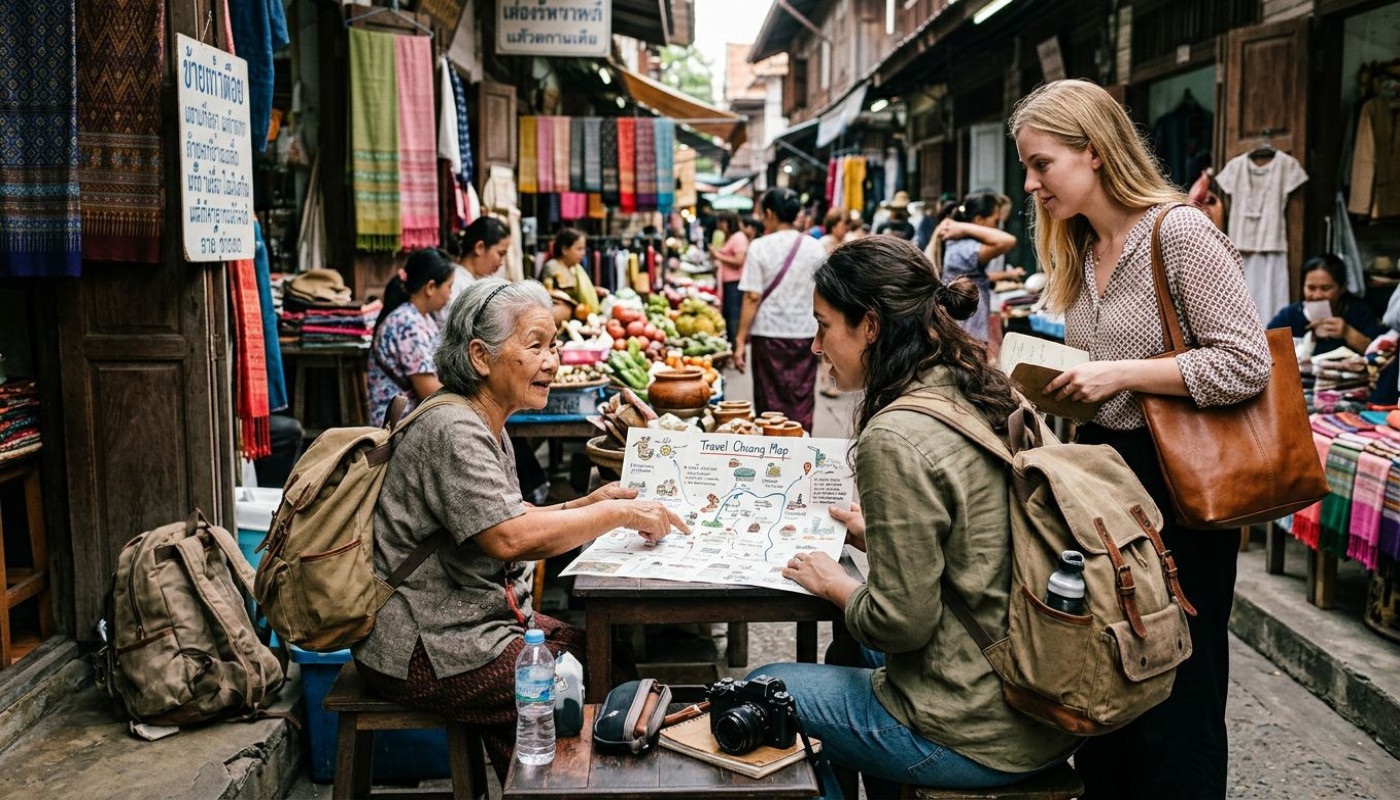
Lost Or Found? The Untold Stories Behind Unique Travel Itineraries
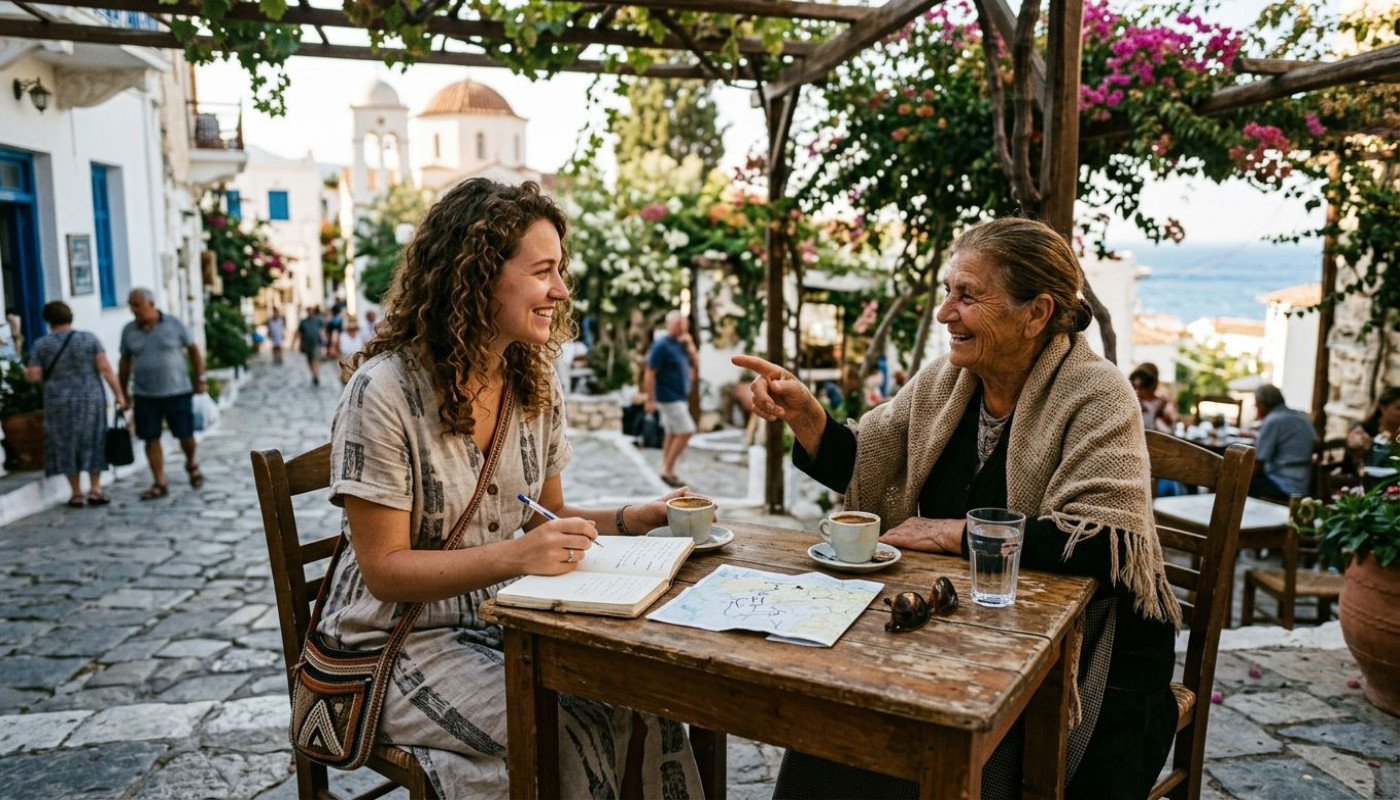
Is Your Perfect Itinerary Hidden In Local Stories?

How Smart Travel Tips Turn Chaos Into Adventure

Packing Light, Traveling Far: Lessons From Minimalist Explorers

Unveiling Hidden Gems: Exploring Off-the-beaten-path Beach Destinations

Exploring The Synergy Between Cycling And Wine Tourism